ABOUT US
ABOUT US
Unclassif:ed
Unclassified takes its name from that which resists classification: the
excess that cannot be fully contained within institutional definitions of
what a human person should be. Unclassified examines how definitions
of madness are shaped not only by medicine, but by the social,
political, and cultural systems that determine what is considered normal.
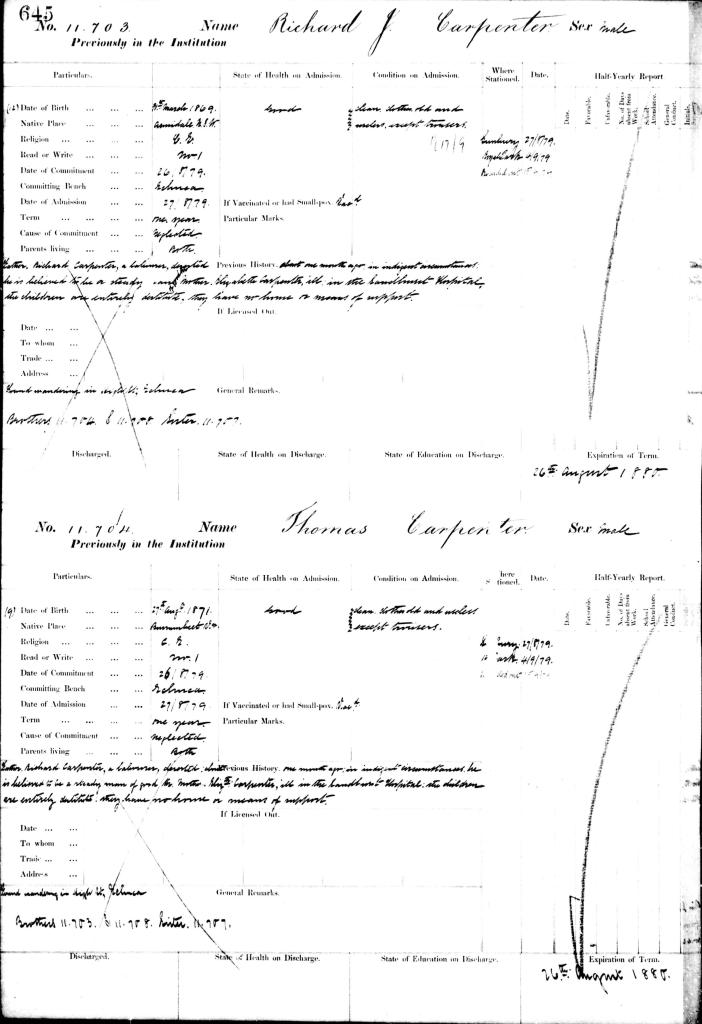
Drawing from the history of Kew Asylum/ Willsmere, the exhibition
reframes the asylum as a mechanism of classification, one that organised
individuals according to the values, fears, and hierarchies of its time.
Through archival interventions, reconstructed patient narratives,
institutional graphics, and bureaucratic systems of display, the exhibition
explores how behaviour associated with difference were historically
interpreted as signs of madness.
Political dissent, foreign cultural practices, emotional expression, gender
nonconformity, and perceived unproductivity become entry points into
understanding how diagnosis often functioned as a social judgment as
much as a medical one.
Historically, the asylum operated through this division: separating those
considered rational, productive, and socially acceptable from those who
were perceived as disruptive, excessive, or difficult to classify. The
exhibition uses this threshold to question how these boundaries were
constructed, who had the power to define them, and how they continue
to shape contemporary understandings of mental health.
Unclassified does not deny the reality of mental suffering. Rather, it
questions the systems through which suffering is interpreted, labelled,
and managed. In doing so, the exhibition invites visitors to reconsider
how definitions of madness continue to be shaped by the cultural and
institutional frameworks of the present.
Unclassif:ed
Unclassified takes its name from that which resists classification: the excess that cannot be fully contained within institutional definitions of what a human person should be. Unclassified examines how definitions of madness are shaped not only by medicine, but by the social, political, and cultural systems that determine what is considered normal.
Drawing from the history of Kew Asylum/ Willsmere, the exhibition reframes the asylum as a mechanism of classification, one that organised individuals according to the values, fears, and hierarchies of its time.
Through archival interventions, reconstructed patient narratives,
institutional graphics, and bureaucratic systems of display, the exhibition explores how behaviour associated with difference were historically interpreted as signs of madness.
Political dissent, foreign cultural practices, emotional expression, gender nonconformity, and perceived unproductivity become entry points into understanding how diagnosis often functioned as a social judgment as much as a medical one.
Historically, the asylum operated through this division: separating those considered rational, productive, and socially acceptable from those who were perceived as disruptive, excessive, or difficult to classify. The exhibition uses this threshold to question how these boundaries were constructed, who had the power to define them, and how they continue to shape contemporary understandings of mental health.
Unclassified does not deny the reality of mental suffering. Rather, it questions the systems through which suffering is interpreted, labelled, and managed. In doing so, the exhibition invites visitors to reconsider how definitions of madness continue to be shaped by the cultural and institutional frameworks of the present.