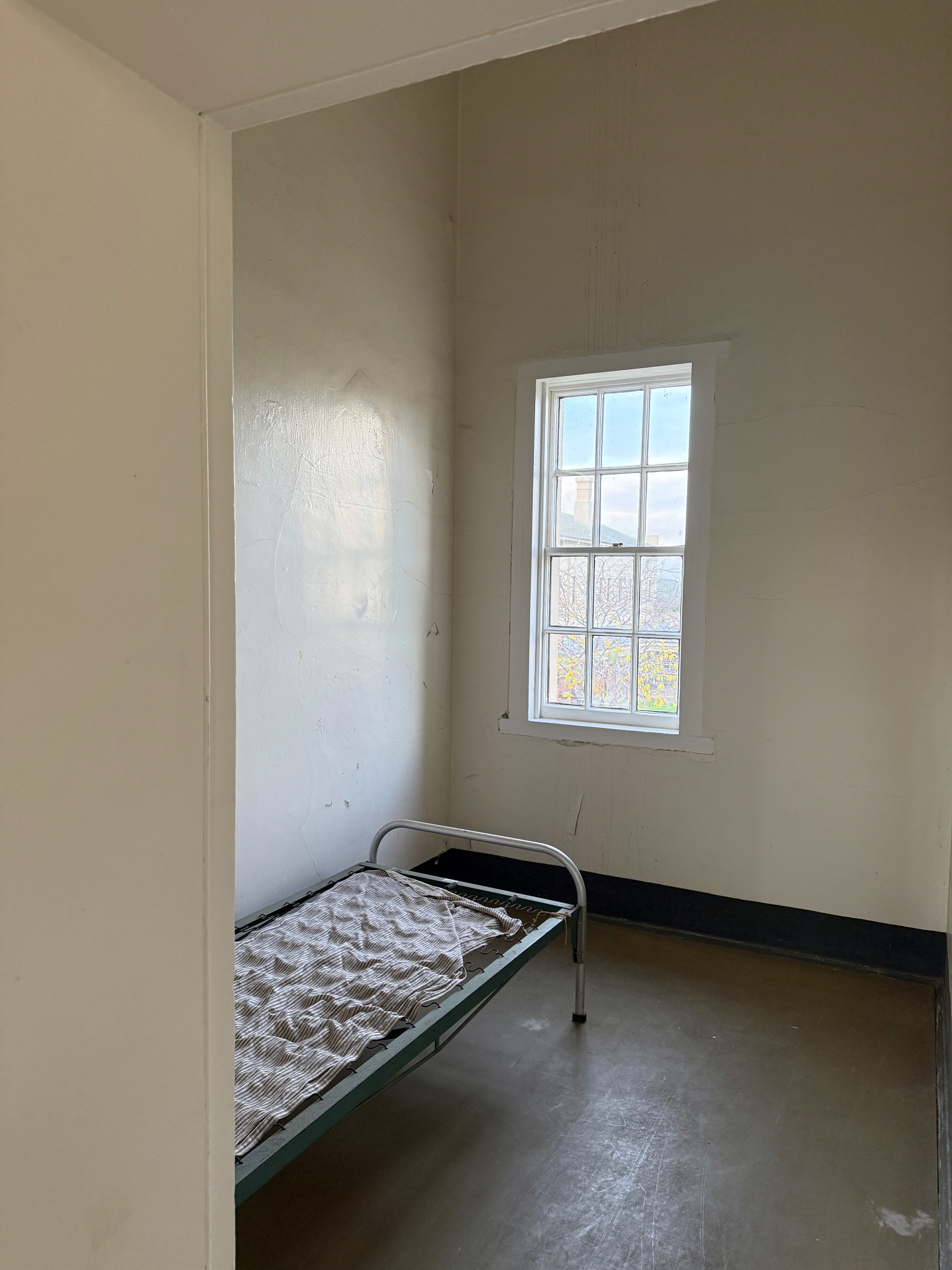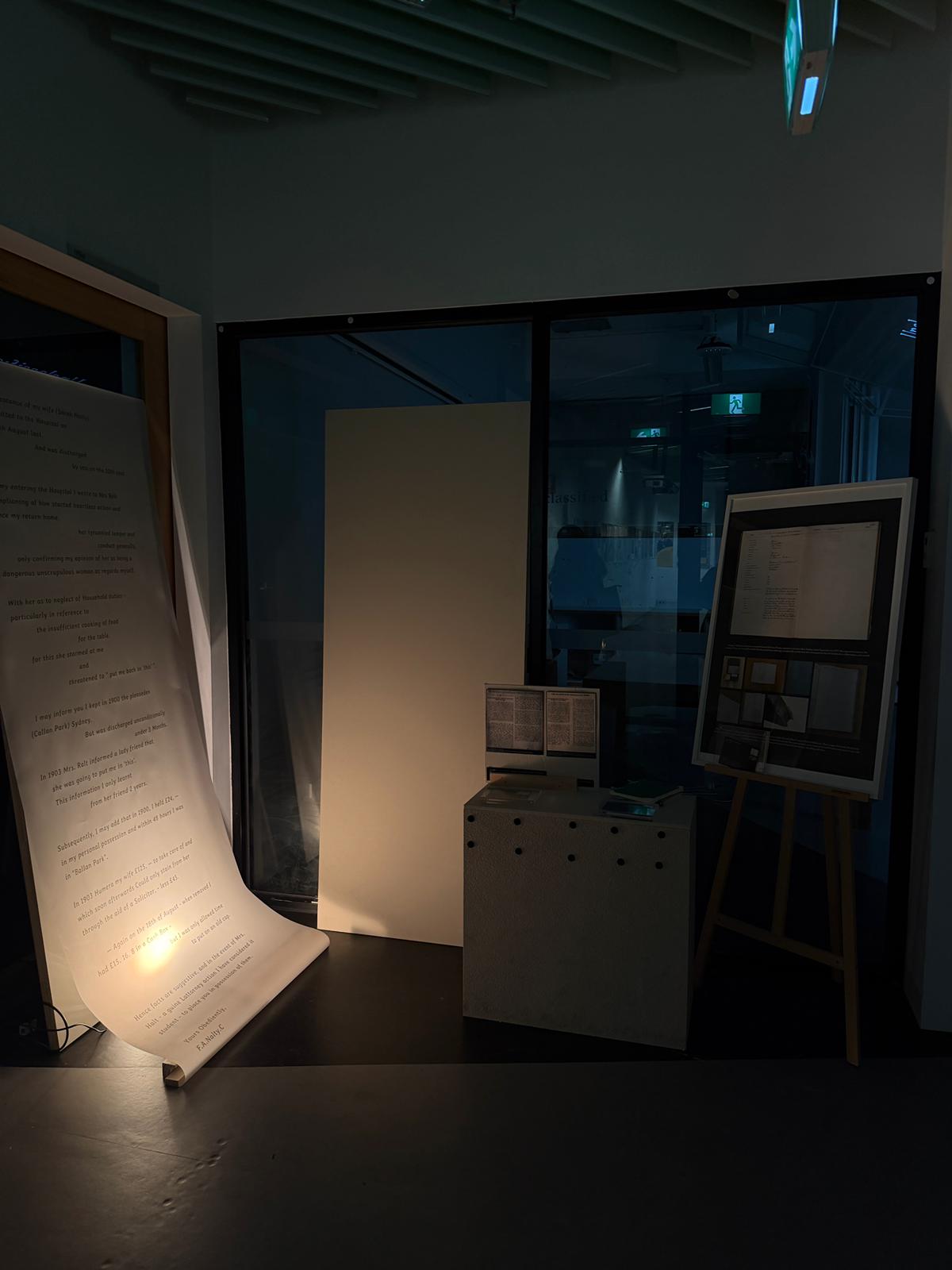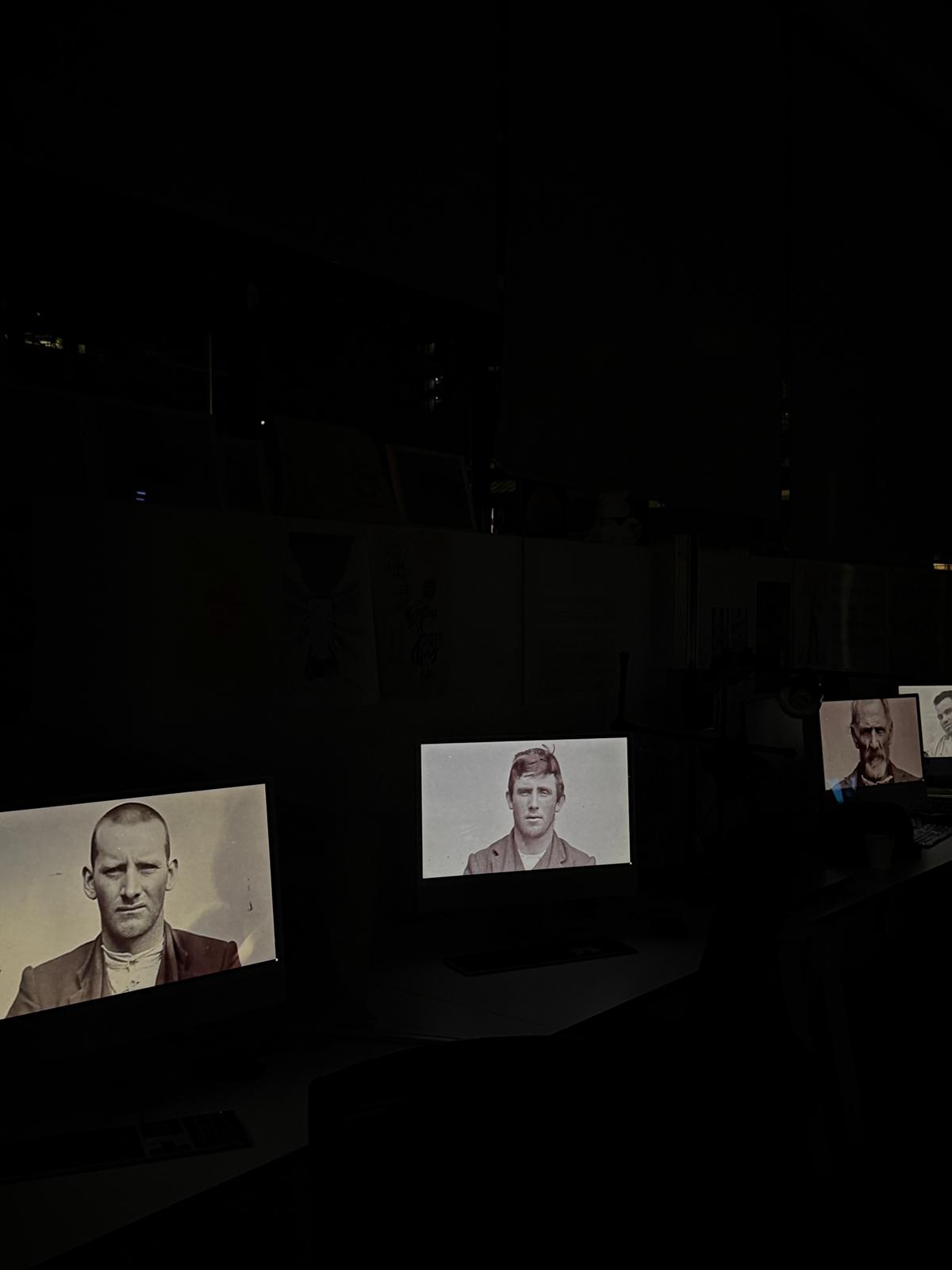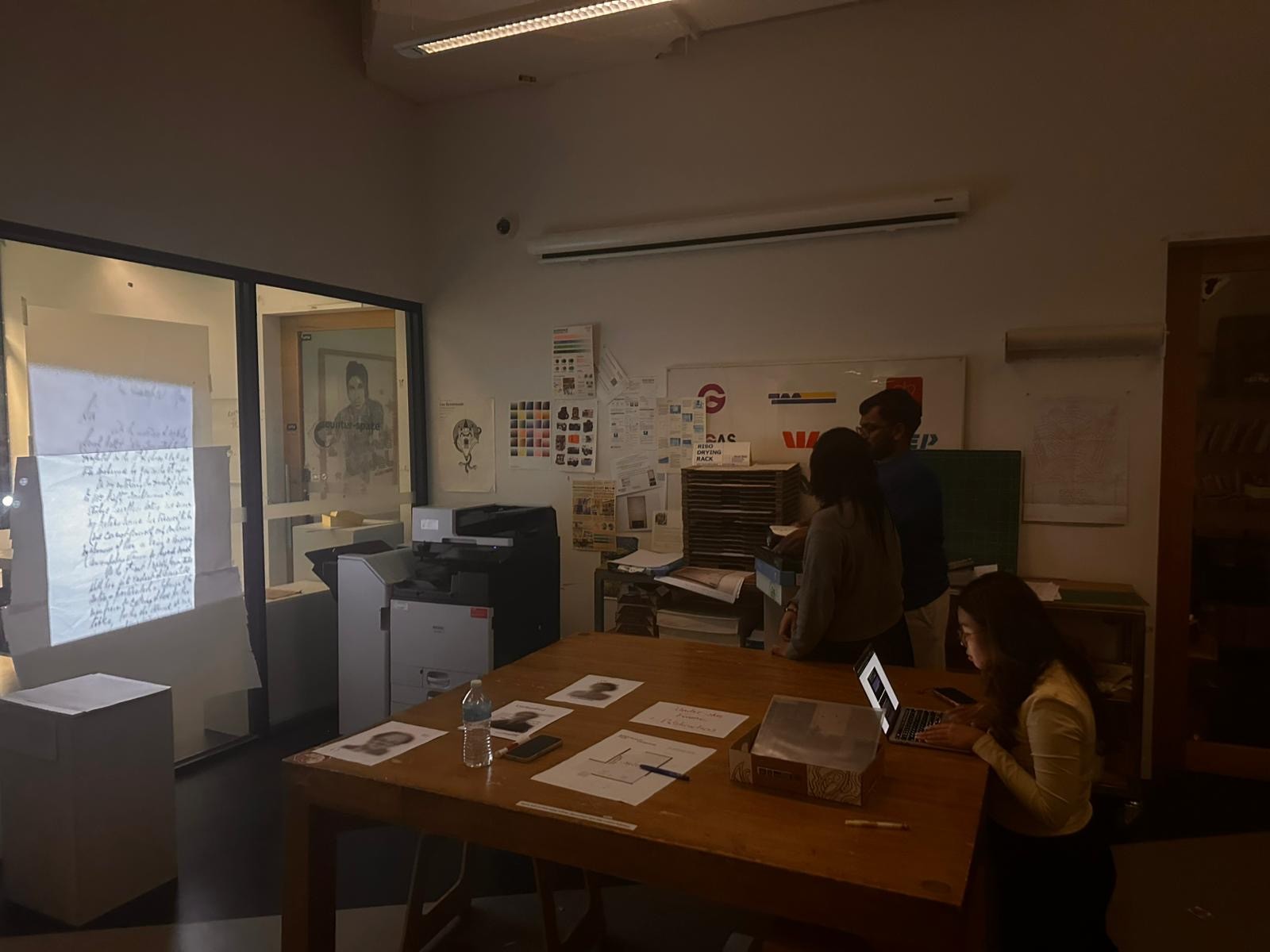
Inside-Out positions the asylum boundary as both threshold and mediator, a place where family, medical authority, and selfhood negotiated without resolution. Drawing from Frederick Nalty's handwritten letter, the work surfaces a voice caught between worlds: behind the wall or outside with those who loved him. The letter is a reminder of a person who could articulate his situation with precision, and still could not leave.
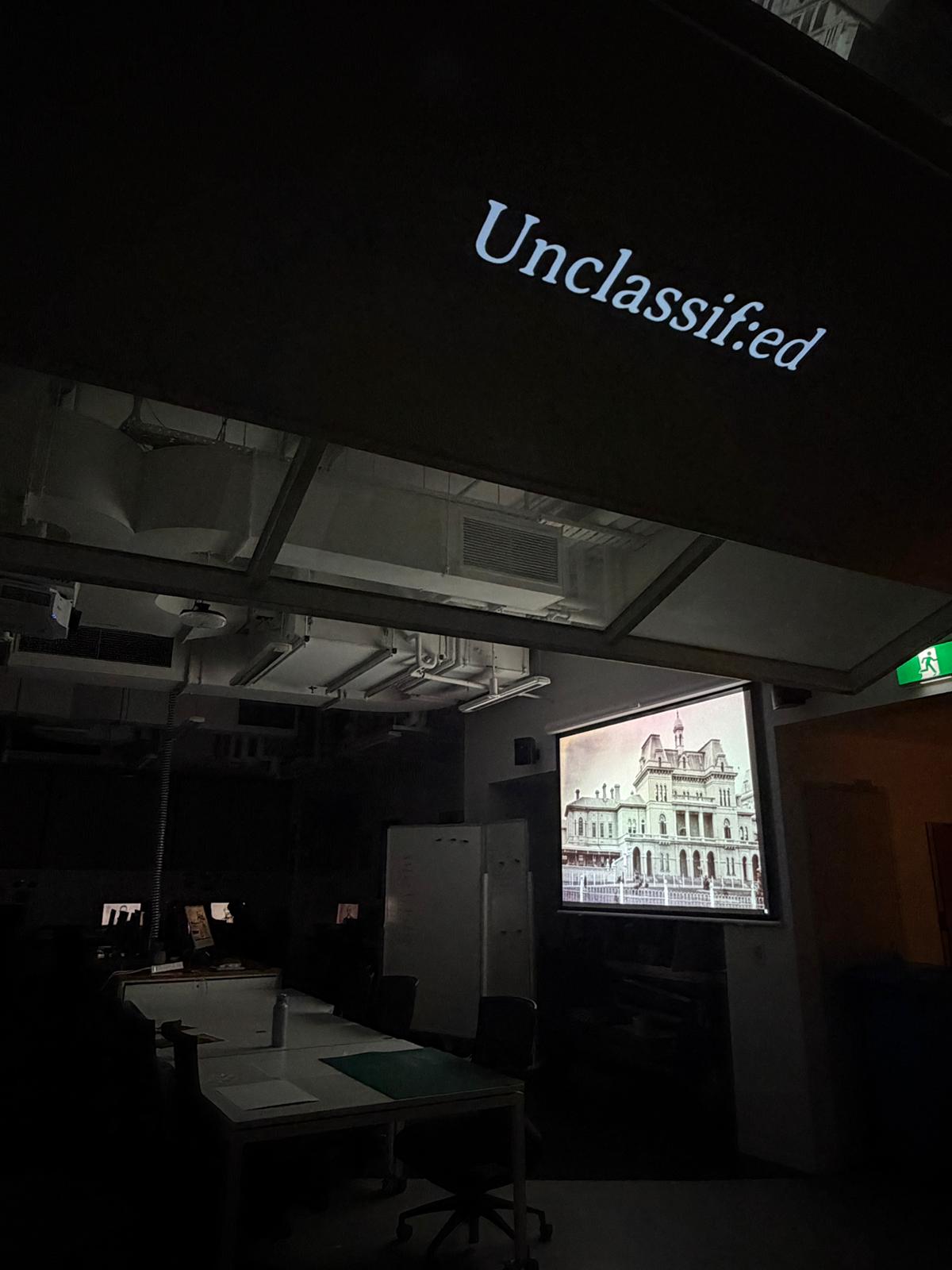
Inside-Out positions the asylum boundary as both threshold and mediator, a place where family, medical authority, and selfhood negotiated without resolution. Drawing from Frederick Nalty's handwritten letter, the work surfaces a voice caught between worlds: behind the wall or outside with those who loved him. The letter is a reminder of a person who could articulate his situation with precision, and still could not leave.